Day Trading vs. Long-Term Investing: Which Strategy Suits You Best?
Investing your money wisely can be one of the most rewarding decisions you make, but it also involves navigating a maze of options and decisions. Two popular strategies are day trading and long-term investing, each with its unique advantages and disadvantages. The best choice depends on factors such as your financial goals, risk tolerance, and how much time you can dedicate to managing your investments. Let's explore these strategies to help you decide which might be the right fit for you.
Understanding the Differences: Day Trading vs. Long-Term Investing
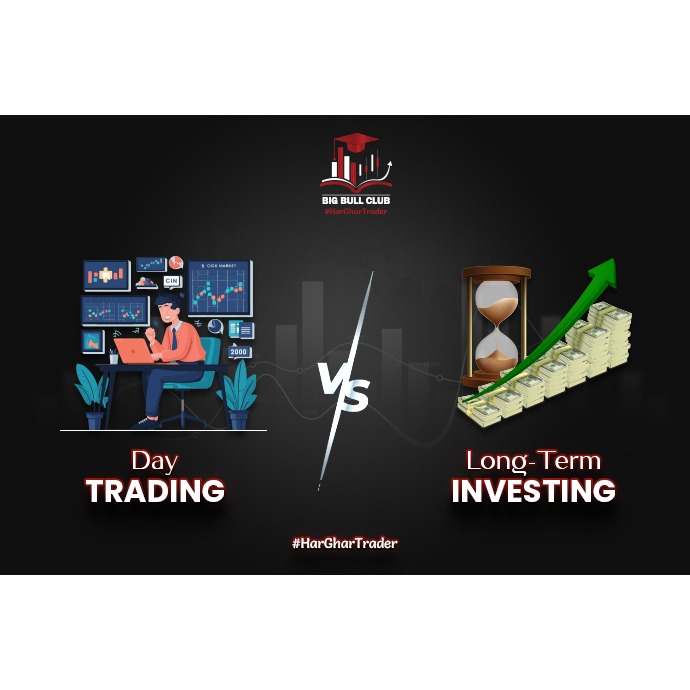
Day trading and long-term investing represent two distinct approaches to the stock market. While day trading involves rapid buying and selling within a single day, long-term investing focuses on holding assets for several years or even decades to benefit from long-term market trends.
What is Day Trading?
Day trading is a strategy where traders buy and sell financial instruments, like stocks or forex, within the same trading day. This method requires a solid understanding of market dynamics, technical analysis, and a high tolerance for risk due to its fast-paced nature.
Advantages of Day Trading
1. Quick Potential Profits: One of the main attractions of day trading is the ability to make quick profits. By taking advantage of small price movements, traders can potentially generate significant returns in a short amount of time.
2. High Engagement and Excitement: For those who thrive on the adrenaline of quick decisions and market fluctuations, day trading can be very engaging and provide an exciting way to participate in the financial markets.
3. Flexibility to Adapt: Day traders have the flexibility to change their strategies on the fly, responding quickly to market news and trends. This adaptability can be an advantage in volatile markets.
Disadvantages of Day Trading
1. High Risk: The opportunity for quick gains comes with a substantial risk. Day trading can lead to significant losses, especially in unpredictable markets. Without proper knowledge and discipline, traders can lose more than their initial investment.
2. Time-Intensive: Day trading requires constant attention to the markets, making it almost a full-time job. Traders need to be prepared to react at any moment to changes in market conditions.
3. Stressful Environment: The high-pressure environment of day trading, combined with the need for rapid decision-making, can be stressful. This can impact mental health and overall well-being if not managed properly.
What is Long-Term Investing?
Long-term investing involves buying assets with the intention of holding them for an extended period, often several years or decades. This strategy focuses on benefiting from the overall growth of the market over time rather than short-term fluctuations.
Advantages of Long-Term Investing
1. Lower Risk Over Time: By holding investments for a longer period, investors can ride out short-term market volatility and benefit from long-term trends. Historically, markets tend to recover from downturns, reducing the risk of loss.
2. Less Time-Consuming: Long-term investing does not require daily monitoring of the markets. Investors can set a strategy and check their portfolios periodically, making it a good option for those with busy schedules.
3. Compounding Growth: By reinvesting dividends and profits, long-term investors can take advantage of compounding growth, which can significantly increase the value of their investments over time.
Disadvantages of Long-Term Investing
1. Slower Returns: While safer, long-term investing often involves slower returns. It requires patience and a long-term mindset, as it may take years to see substantial growth.
2. Less Control Over Short-Term Movements: Investors must be prepared to endure periods of decline and market volatility without making hasty decisions, which can be challenging for those who prefer more control over their investments.
3. Potentially Less Exciting: For those who enjoy frequent trading and active involvement, long-term investing might seem less engaging, as it involves less frequent decision-making.
Choosing the Right Strategy for You
Deciding between day trading and long-term investing depends on various factors, including your risk tolerance, time availability, financial goals, and personal preferences.
Assessing Your Risk Tolerance
If you are comfortable with high risk and the potential for quick losses, day trading could be a suitable choice. However, if you prefer a more conservative approach with a focus on steady growth, long-term investing might be more appropriate.
Considering Your Time Commitment
Day trading demands a significant time investment and constant market monitoring, while long-term investing requires a more hands-off approach, making it suitable for individuals with limited time.
Defining Your Financial Goals
Your financial goals are crucial in determining the right strategy. I